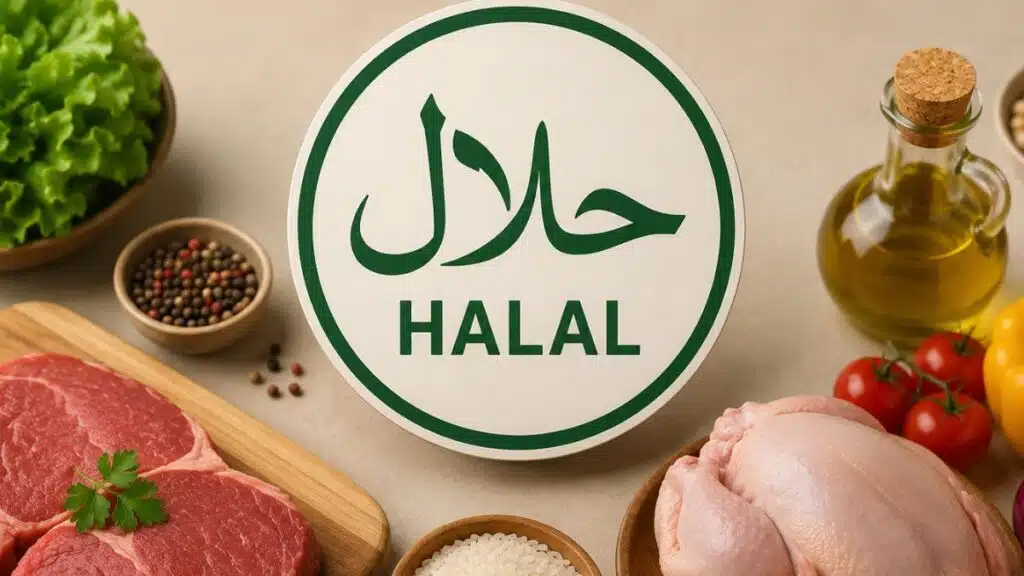
Halal food is food that is permitted under Islamic dietary guidelines. But what exactly makes food halal, and how can you tell whether a particular food or restaurant follows halal requirements? From meat and ingredients to food preparation and labeling, this guide explains what halal food means in simple, everyday English.
What Does Halal Food Mean?
The word halal is an Arabic term that means permissible or allowed. In Islam, it is used for things that Muslims are permitted to consume or do.
When we talk about halal food, we mean food that follows Islamic dietary guidelines. This includes the ingredients used in the food, how certain foods are prepared, and how meat is sourced and slaughtered.
Many everyday foods, such as fruits, vegetables, rice, grains, and beans, are naturally halal. Other foods require more attention because their ingredients or preparation methods can affect whether they are considered halal.
What Does Halal Mean in Food?
For food to be considered halal, it generally needs to meet Islamic dietary requirements.
This can involve several things, including:
- The ingredients used
- The source of animal products
- How meat is slaughtered
- How food is prepared
- Whether prohibited substances are present
- How food is stored and handled
The opposite of halal is haram, which means prohibited in Islam.
What Foods Are Halal?
A wide range of foods are naturally halal.
Some common examples include:
- Fruits
- Vegetables
- Rice
- Wheat and grains
- Beans and lentils
- Nuts
- Most seafood
- Milk and dairy products, when the ingredients are halal
- Halal-certified chicken, beef, and lamb
However, processed foods can sometimes be more complicated because they may contain ingredients that are not obvious from the main food itself.
What Foods Are Not Halal?
Some foods and drinks are clearly prohibited under Islamic dietary guidelines.
Pork and Pork Products
Pork is considered haram in Islam. This includes pork meat and products made from pork. Some processed foods can also contain pork-derived ingredients, so people who follow a halal diet may check food labels carefully.
Alcohol
Alcoholic beverages are not halal. Alcohol can also be used as an ingredient in some foods, sauces, desserts, and flavorings, which is why ingredient information can be important.
Blood
The consumption of blood is prohibited under Islamic dietary rules.
Improperly Slaughtered Meat
Even when an animal itself is permissible to eat, the meat may not be considered halal if the slaughtering process does not meet Islamic requirements.
What Is Halal Meat?
Halal meat comes from an animal that is permissible to eat and has been slaughtered according to Islamic guidelines.
Common types of halal meat include:
- Chicken
- Beef
- Lamb
- Goat
The animal and the slaughtering process both matter. Simply being beef or chicken does not automatically mean that the meat is halal.
This is why Muslims may look for halal certification or purchase meat from a trusted halal butcher.
Read More: What Is the Quran? Meaning, History & Importance in Islam
How Is Halal Meat Prepared?
Halal slaughter is commonly referred to as dhabiha.
The process follows specific Islamic requirements. Among other requirements, the animal should be alive and healthy at the time of slaughter, and the name of Allah is invoked during the process.
The goal is to follow the religious guidelines for slaughter while treating the animal appropriately. Because practices and certification standards can vary, Muslims who follow halal dietary rules may choose meat from trusted halal-certified sources.
What Does Halal Mean on a Food Label?
When you see a halal label or halal certification on packaged food, it generally indicates that the product has been reviewed by a halal certification organization and meets its particular halal standards.
This can make shopping easier, especially when a product contains several ingredients.
Not every food that is halal will necessarily have a halal certification logo, though. Naturally halal foods such as fresh fruits and vegetables usually don’t need the same level of certification.
Is Halal Food Only for Muslims?
No. Anyone can eat halal food.
Halal is a religious dietary standard followed by Muslims. There is no requirement that someone must be Muslim to eat halal food.
In the United States, halal restaurants and grocery products are available to a wide range of customers. Some people choose halal food simply because they enjoy the cuisine or prefer certain food preparation practices.
Is Halal Food Healthy?
Halal does not automatically mean that a food is healthy. The term halal describes whether something is permissible under Islamic dietary guidelines, not its nutritional value.
For example, a halal dessert can still contain a lot of sugar, while halal fried chicken can still be high in calories and fat. If you’re trying to eat a healthy diet, it’s still important to consider things like calories, protein, sugar, sodium, and overall nutrition.
What Is the Difference Between Halal and Kosher?
Halal and kosher are two different religious dietary systems.
Halal follows Islamic dietary laws, while kosher follows Jewish dietary laws.
There are some similarities between them, including rules concerning meat and certain foods. However, kosher food is not automatically halal.
Someone who strictly follows a halal diet should check whether food specifically meets halal requirements rather than assuming that kosher certification means the food is halal.
How Can You Tell If Food Is Halal?
If you’re buying packaged food or eating at a restaurant, there are several ways to check.
Check the Label
Look for a recognized halal certification or halal symbol on packaged products.
Check the Ingredients
Look for ingredients that may come from prohibited sources, particularly pork-derived ingredients and alcohol.
Ask the Restaurant
If you’re eating out, ask whether the meat is halal and whether the restaurant uses separate preparation areas when necessary.
Buy From Trusted Sources
Halal-certified grocery stores, butchers, and restaurants can make it easier to find food that meets Islamic dietary requirements.
Why Is Halal Food Important in Islam?
For Muslims, following halal dietary guidelines is part of practicing their faith.
Food choices are one of the everyday areas where Islamic teachings can be followed. For many Muslims, checking whether meat, ingredients, and prepared foods are halal is simply a normal part of daily life.
The purpose is not only to choose certain foods but also to follow the religious guidelines associated with what Muslims consume.
Frequently Asked Questions About Halal Food
What does halal food mean?
Halal food means food that is permissible for Muslims to consume according to Islamic dietary guidelines.
What does halal mean in food?
In food, halal means that the ingredients, preparation, and, when applicable, meat slaughtering process follow Islamic dietary requirements.
Is chicken halal?
Chicken can be halal when it comes from a permissible source and is slaughtered according to Islamic requirements.
Is beef halal?
Beef can be halal when the animal and slaughtering process meet Islamic dietary requirements.
Is pork halal?
No. Pork and pork products are considered haram, or prohibited, in Islam.
Can non-Muslims eat halal food?
Yes. Halal food can be eaten by Muslims and non-Muslims alike.
Is halal the same as kosher?
No. Halal and kosher follow different religious dietary laws, although they share some similarities.
Does halal mean healthy?
Not necessarily. Halal refers to Islamic dietary requirements, while healthy refers to nutritional value and overall health considerations.
Final Thoughts
So, what does halal food mean?
In simple terms, halal food is food that Muslims are permitted to eat according to Islamic dietary guidelines. It can involve everything from ingredients and food preparation to the sourcing and slaughtering of meat.


